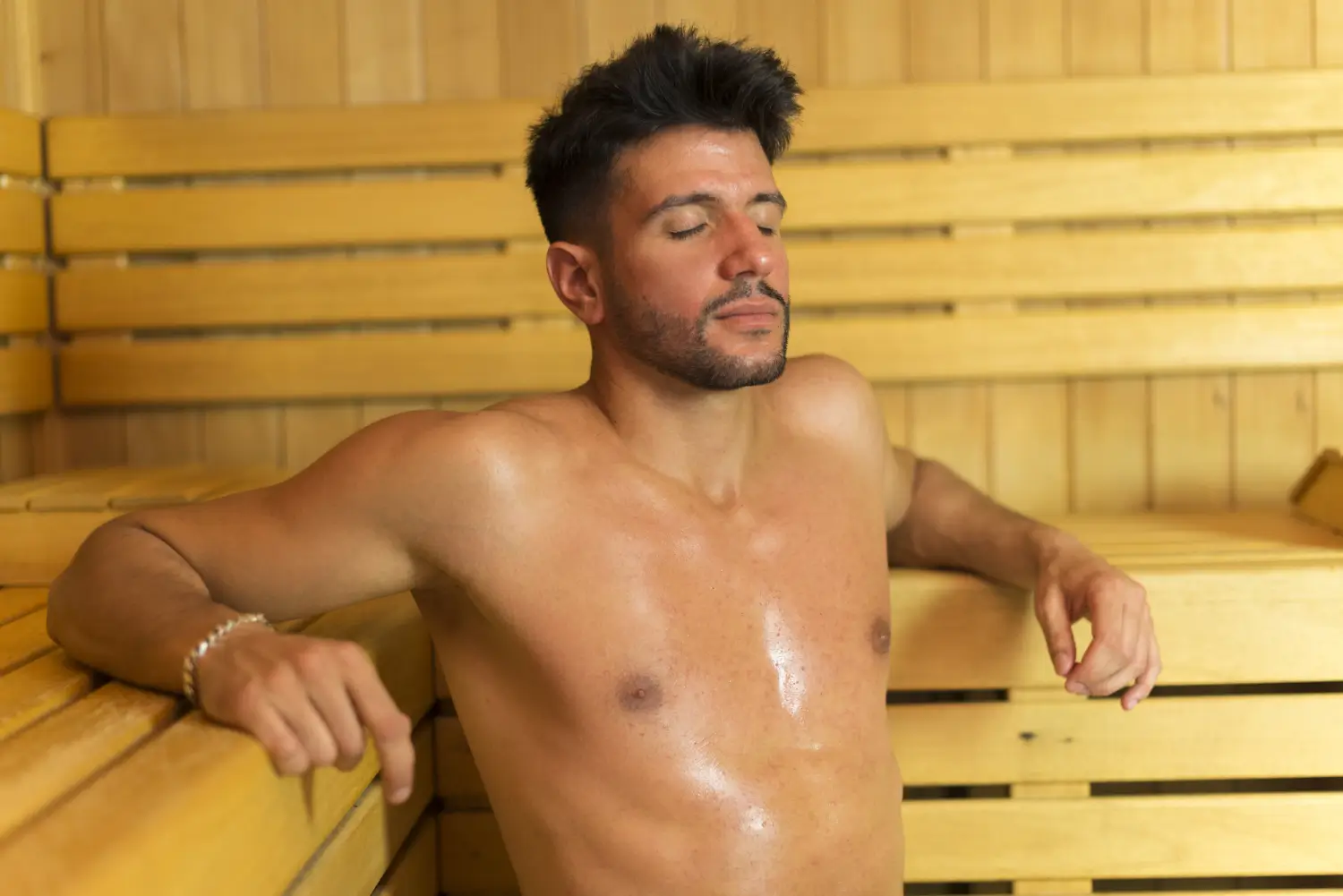
Saunas are often described as temples of relaxation, celebrated for their several health benefits, from improved circulation to deep detoxification. For many, the act of sweating in a sauna may provide both a physical release and a mental escape. But what happens when sweat doesn’t come as expected after entering the sauna? Why, despite the heat enveloping your skin, are beads of sweat nowhere to be found?
If you’ve experienced this, you’re not alone. There are multiple reasons why you might not produce sweat in a sauna room, and the good news is that most can be resolved with a few adjustments. This guide will help you understand your body’s response, explore factors affecting sweat production, and refine your sauna experience for optimal results.
Understanding Sweat and Sauna Use
To appreciate why sweating during the sauna is such a vital part of sauna use, we need to start with the basics of how our bodies regulate temperature.
How Sweating Regulates Body Temperature
Sweat is our natural cooling system. When body temperature rises—whether during exercise, a hot summer day, or a sauna session—the hypothalamus signals sweat glands to release moisture onto the skin. This moisture evaporates, helping to cool the body down.
Why Some People Sweat Less in a Sauna Session
Not everyone sweats at the same rate or intensity. Factors such as genetics, hydration levels, acclimatization to heat, and even the type of sauna can all affect your body’s ability to sweat, impacting the benefits of sauna sessions. What’s important to understand is that less sweat doesn’t necessarily mean your sauna session isn’t beneficial!
Common Reasons for a Lack of Sweat in a Sauna Session
Several factors might explain why you’re not sweating in the sauna—or at least not as much as you’d like when using a sauna.
Body Adaptation and Types of Sweat Glands
Our bodies have two main types of sweat glands:
- Eccrine glands, which release a cooling, clear sweat.
- Apocrine glands, which release sweat in response to stress or hormones and are the glands behind body odor.
If you’re new to sauna use, your body might need time to activate its eccrine glands efficiently. Regular sessions can help your body adapt, improving your sweating response over time.
Hydration Levels and Their Impact
Dehydration is one of the most common reasons people sweat less in a sauna. When your body lacks sufficient fluids, it becomes more conservative about releasing sweat. Electrolyte imbalances, caused by insufficient levels of sodium, potassium, or magnesium, can further inhibit the sweating process.
Is Your Sauna Hot Enough?
It may sound simple, but if your sauna isn’t reaching optimal heat levels, your body might not respond with sweat. Traditional saunas typically operate between 150°F and 190°F, while infrared saunas use lower temperatures to penetrate deeper into the skin. If the heat doesn’t feel intense, it might be worth tweaking the settings—or checking the heating element.
Infrared Sauna vs. Traditional Sauna
Infrared saunas operate differently from traditional saunas by using light to heat the body directly rather than heating the air. This more gentle heat may take longer to induce sweating, but it offers a deeply restorative experience once your body adjusts.
Medical Conditions or Medications
Certain medical conditions, such as anhidrosis—a condition where the sweat glands don’t function properly—can prevent sweating altogether. Similarly, some medications, particularly those for allergies, heart conditions, or blood pressure, can interfere with sweat production. If medical factors might be at play, it’s best to consult with a healthcare professional.
How Long Does It Take to Start Sweating in a Sauna?
On average, most people start sweating within 10-15 minutes in a properly heated sauna. However, individual differences—like age, fitness levels, or how often you use a sauna—can extend or shorten this timeframe.
Patience is key, especially if you’re new to using a sauna or experimenting with infrared setups.
How to Sweat More in the Sauna
If sweating isn’t happening as much as you’d like when the sauna is heated, there are practical steps you can take to enhance your body’s response.
Sauna Sweating Tips
- Pre-Sauna Hydration
Drink plenty of water or an electrolyte-rich beverage before entering the sauna to maximize your hydration. Avoid alcohol and caffeine, which can dehydrate you.
- Practice Deep Breathing
Breathing deeply helps regulate body temperature and encourages sweat production.
- Create Movement
Gently moving, such as stretching or shifting positions, can encourage circulation and activate sweat glands during your time in the sauna.
Enhancing Infrared Sauna Sessions
Infrared saunas are slightly cooler than traditional saunas, so a longer session might be required. Start with 20-30 minutes, then gradually extend to 40-50 minutes as your body adapts.
Consider Diet and Sweat-Inducing Foods
Some foods, like spicy dishes, are known to stimulate sweat. On the other hand, consuming hydrating fruits like watermelon can provide water and electrolytes.
Is the Sauna Still Working if I Don’t Sweat?
Absolutely! Sweating is just one of the many ways your body can benefit from a sauna session. Even without visible sweat, the sauna supports:
- Improved circulation as blood vessels expand.
- Detoxification as your core temperature rises.
- Muscle relaxation and stress reduction from the calming heat.
The Health Benefits of Sweating in a Sauna
When sweating does occur, it amplifies the benefits of the sauna experience.
Detoxification and Circulation
Sweating helps expel toxins while boosting circulation, which enhances cardiovascular health.
Skin and Wellness Benefits
Sweating helps unclog pores, leading to clearer, healthier skin, which is one of the main benefits of sauna use. It’s also a natural mood booster, reducing stress hormones and supporting overall well-being.
Regular Sauna Use for Holistic Health
Studies suggest that regular sauna use can:
- Reduce stress, allowing deeper relaxation.
- Aid muscle recovery after intense physical activity.
- Lower the risk of heart disease through improved circulation and cardiovascular endurance.
Final Words on Not Sweating in a Sauna
If sweating doesn’t come naturally at first, don’t be discouraged. Start by addressing simple factors like hydration or adjusting your sauna temperature settings, and give your body time to adapt. If sweating remains elusive despite your efforts, it may be worth consulting a professional to rule out any underlying health concerns.
Experience the Benefits of a Sauna with Bear Naked Saunas
At Bear Naked Saunas, we believe in creating an environment where health and luxury blend seamlessly. Whether you prefer the gentle heat of our Papa Bear Sauna, the robust warmth of the Mama Bear Sauna, or the portable convenience of our Baby Bear Model, each sauna is crafted to provide a rejuvenating experience tailored to your needs.
Elevate your wellness routine. Begin your sauna journey with Bear Naked Saunas today.