The practice of seeking refuge in a heated room, especially a Finnish sauna, is a timeless ritual that stretches back for centuries across cultures. Whether you are enjoying a traditional sauna bath or trying sauna therapy for the first time, stepping into a traditional sauna room offers more than just pleasant warmth. It provides a powerful, science-backed method for improving physical and mental well-being. Research suggests that sauna bathing delivers significant health effects, supporting your overall wellness across multiple biological markers.
This immersive experience, defined by the comforting aroma of premium cedar and the soft hiss of steam on hot rocks, unlocks a host of health advantages supported by clinical research. While some enthusiasts prefer infrared technology, which employs infrared light to warm the body, nothing quite compares to the holistic experience of a classic Finnish sauna or the feeling of renewal after repeated sessions. As a sauna bather, you become part of a global tradition proven to benefit body and mind alike.
At Bear Naked Saunas, we are passionate about this heritage. Based in Hermantown, Minnesota, we craft authentic, handcrafted traditional saunas that honor this legacy while meeting modern luxury standards. This guide walks you through the profound benefits of a traditional sauna, compares it to modern alternatives, and explains how to safely incorporate this wellness practice into your lifestyle.
What Is a Traditional Sauna?
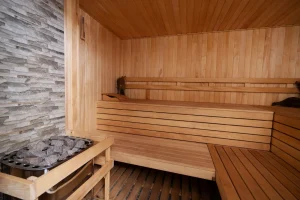
A traditional sauna is a specially constructed wooden room designed to be heated to high temperatures, typically between 150°F and 195°F. It is a cornerstone of Finnish culture, long utilized for cleansing, relaxation, and social connection.
What is a Sauna?
At its core, a sauna is a climate-controlled room designed to induce sweating for health and relaxation. The experience is defined by intense heat, where users control humidity by pouring water over heated rocks, a practice known as “löyly” in Finnish.
Types of Saunas
While many variations exist, the primary types include:
- Traditional Saunas: Heated by wood-burning stoves or electric heaters. These heat the air, which in turn warms your body.
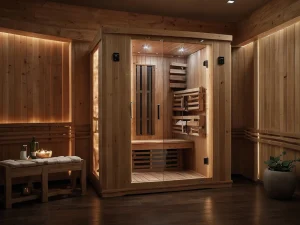
- Infrared Saunas: Use light waves to heat your body directly rather than the surrounding air.
- Steam Rooms: Often confused with saunas, these operate at lower temperatures but with nearly 100% humidity.
Sauna Bathing
Sauna bathing is the ritualized practice of spending time in the heat. An authentic session involves cycles of heating for 10–20 minutes, followed by a cooling period—such as a cool shower, a dip in a lake, or relaxing in the fresh air. Repeating this cycle amplifies the wellness benefits and metabolic response.
Infrared VS Traditional Sauna: Overview
The rise of infrared technology has led to many questions about which system is superior. Both offer incredible health benefits, but they deliver heat in fundamentally different ways.
Infrared Sauna Benefits vs Traditional Sauna Benefits
A traditional sauna provides an intense, enveloping heat that excels at improving cardiovascular health by raising the heart rate similarly to moderate exercise. An infrared sauna operates at a lower, gentler temperature (120°F to 140°F), allowing for longer sessions. While infrared light waves penetrate deep into muscle tissue for targeted pain relief, traditional saunas provide the classic high-heat experience and respiratory benefits associated with steam.
Infrared VS Traditional Sauna: The Misinformation
A common myth is that infrared saunas are inherently safer or more effective. In reality, both are safe and effective when used properly. Choosing between them is a matter of personal preference: do you prefer the intense, steam-filled heat of a traditional Finnish experience or the gentle, deep-penetrating warmth of an infrared session?
Price and Construction: Infrared vs Traditional Sauna
Construction for both requires high-quality, rot-resistant wood like sustainably sourced cedar. Traditional saunas require a robust heater and specialized rocks, while infrared saunas require carefully placed heaters. Pricing is often comparable, though the complexity of the ventilation and heating systems can influence the final investment.
Are Infrared Saunas Better Than Traditional?
Neither is definitively “better.” A traditional sauna offers an authentic, time-honored experience with proven cardiovascular benefits. An infrared sauna provides a modern alternative focused on deep tissue relief. Your choice should align with your personal wellness goals and heat tolerance.
5 Key Health Benefits of Traditional Saunas
The intense heat of a traditional sauna triggers powerful physiological responses that significantly boost your health.
1. Improved Heart Health
Perhaps the most studied benefit of traditional saunas is their effect on cardiovascular wellness. The heat causes your heart rate to increase and your blood vessels to dilate, improving circulation and overall heart function.
Cardiovascular Health
Regular sauna bathing has been shown to lower blood pressure and enhance arterial flexibility. Clinical studies have found that individuals who used a sauna 4–7 times per week had a significantly lower risk of sudden cardiac death and other cardiovascular events compared to those who used it only once a week.
Sauna Bathing and Vascular Outcomes
The practice improves endothelial function, the health of the inner lining of your blood vessels. Maintaining healthy endothelial function is crucial for preventing atherosclerosis (hardening of the arteries) and ensuring optimal circulation throughout the body.
Pathways Implicated in Health Benefits of Sauna Bathing
These benefits stem from a combination of factors. The heat reduces inflammation and oxidative stress, helps maintain a healthy balance in the autonomic nervous system, and improves the body’s overall stress resilience.
Sauna Health & Wellness Benefits
Beyond the heart, the advantages of using a sauna touch nearly every aspect of your well-being.
The Benefits of Saunas
Sweating is one of the body’s most effective ways to detoxify. A sauna session induces a deep sweat that helps flush out environmental toxins, heavy metals, and other impurities from your system.
Are Saunas Good for You?
Yes. When practiced safely, sauna bathing is an exceptionally healthy activity. It provides a passive cardiovascular workout, cleanses the skin, and offers a dedicated sanctuary for mental relaxation and stress relief.
Do Saunas Help You Lose Weight?
While you will lose water weight from sweating, a sauna is not a direct weight-loss tool. However, by supporting a healthy metabolism and reducing stress-related cortisol, a hormone linked to fat storage, it serves as a valuable component of a healthy lifestyle.
Sauna Bathing and Other Health Benefits
The positive effects of sauna use extend deep into long-term disease prevention.
Sauna Bathing and Nonvascular Diseases
Research has linked regular sauna use to a lower risk of developing certain nonvascular conditions. This includes a reduced risk of respiratory diseases like asthma and pneumonia, as well as neurodegenerative conditions like Alzheimer’s and dementia.
How to Use a Sauna
To maximize the efficacy of your session, it is important to follow professional guidelines.
How Long Should I Stay in the Infrared Sauna?
Because infrared saunas operate at lower temperatures, you can typically stay in them longer (30–40 minutes). For traditional saunas, standard sessions are usually 15–20 minutes. Beginners should always start with shorter durations and gradually increase time as their tolerance builds.
Precautions When Using a Sauna
Hydration is critical. Drink plenty of water before, during, and after your session. Listen to your body if you feel dizzy, lightheaded, or uncomfortable; end your session immediately. Always avoid alcohol before or during sauna use.
Adverse Effects of Sauna Bathing
The primary adverse effects are dehydration and a temporary drop in blood pressure upon standing. Both are easily avoided by staying hydrated and moving slowly when exiting the sauna.
Who Should Not Use a Sauna?
While saunas are safe for most people, certain individuals should exercise caution.
Who Should Avoid Saunas?
Pregnant women and individuals with unstable heart conditions, severe aortic stenosis, or uncontrolled high blood pressure should consult their physician before use. Anyone on medication that impairs the body’s ability to regulate heat or sweat should also seek medical advice.
FAQs: Are Infrared Saunas Better Than Traditional?
As discussed, it is a matter of preference. If you crave intense heat, steam, and cultural ritual, a traditional sauna is unmatched. If you prefer gentle, deep-penetrating heat for muscle relief, infrared is an excellent choice. Both systems are powerful tools for promoting wellness.
Try a Traditional Sauna Today
Embracing the ritual of a traditional sauna is an investment in your long-term health and daily relaxation. It offers a sanctuary where you can disconnect from the world and reconnect with your body.
Bear Naked Saunas – Handcrafted Traditional Saunas in Minnesota
As a proud Minnesota-based company, we specialize in building authentic, handcrafted traditional saunas. We use premium, eco-friendly cedar wood and the highest quality electric and wood-burning heaters to create sanctuaries built to last a lifetime. Our models are designed to thrive in the harsh Minnesota climate:
- The Papa Bear: Our most spacious model for social gatherings.
- The Mama Bear: A versatile mid-sized option for families.
- The Baby Bear: A cozy, personal sanctuary for private escape.
Let’s Get Started with Your New Sauna
Are you ready to experience the profound health and wellness advantages of a traditional sauna? Contact Bear Naked Saunas today. Let our team of expert craftsmen help you design the perfect custom cedar wellness retreat for your home. Discover relaxation.