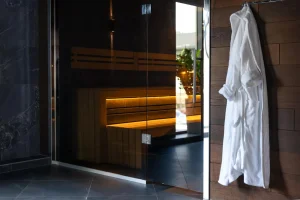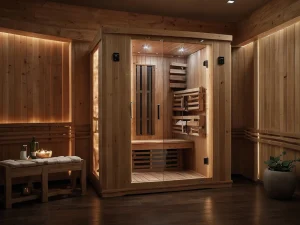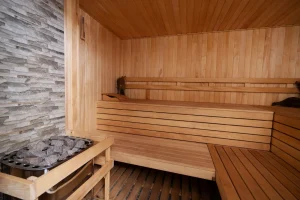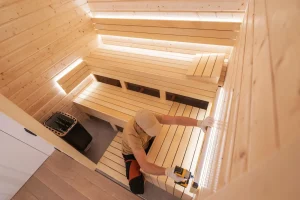
Building a custom home sauna sanctuary is one of the most rewarding investments you can make in your health and well-being. You deserve a retreat that looks beautiful, reflects thoughtful Nordic-inspired design, fills the air with a natural aroma, and stands strong for decades to come. Before you step inside to enjoy your first session, one foundational decision shapes every aspect of your experience: the wood.
The wood used inside your sauna determines how well the room retains heat, how comfortable your benches feel against bare skin, and whether your air remains clean and free from harmful off-gassing. At Bear Naked Saunas in Hermantown, MN, we help homeowners and commercial clients across the upper Midwest make this decision with confidence.
In this comprehensive guide, we explore the most trusted sauna wood types available for both home sauna use and outdoor environments. We examine the unique characteristics of Western Red Cedar, Hemlock, Aspen, and Nordic Spruce — and share the essential questions every buyer should ask before committing to a build.
Why Sauna Wood Choice Matters
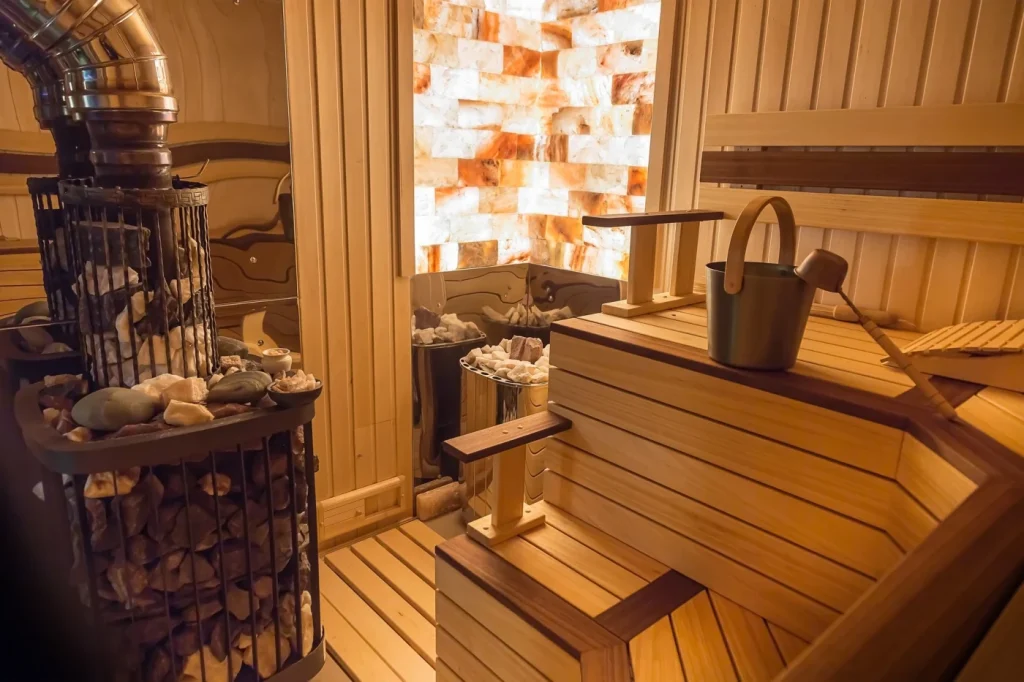
Selecting the right sauna wood is about much more than aesthetics. A sauna is an extreme environment defined by intense heat and constantly shifting humidity. The wood you choose must withstand these harsh conditions without warping, cracking, or decaying over time. Poor material choices lead to structural failure and costly repairs. Premium, sustainably sourced lumber ensures your investment lasts for decades.
Beyond structural integrity, your wood choice directly affects your comfort and your health. Dense hardwoods absorb and radiate too much heat, creating a surface that can actually burn bare skin. Softwoods, by contrast, remain comfortable to the touch even as ambient temperatures climb.
Most critically, any treated or chemically finished lumber will release toxic volatile organic compounds (VOCs) under high heat. Authentic, raw, untreated wood is the only safe choice for a clean, non-toxic breathing environment — a standard we uphold in every sauna we build at Bear Naked Saunas.
1. Why Sauna Wood Selection Matters
Durability, heat management, and health safety form the three pillars of proper material selection. Many cheaper or pre-treated woods release harmful chemicals when exposed to high heat. Only genuine, untreated softwood guarantees the safe, pure air quality your body deserves during every session.
2. Why Wood Choice Matters in a Sauna
Beyond performance, the wood you choose sets the entire sensory tone of your retreat — from the grain texture beneath your fingertips to the natural scent that fills the air the moment you close the door. At Bear Naked Saunas, we believe every element of your sauna should serve both your body and your senses.
3. What Matters Most in Sauna Wood (and What Most Brands Don’t Disclose)
Many sauna brands fail to disclose the full composition of their materials. Plywood cores, chemical adhesives, and surface sealants are common cost-cutting shortcuts that compromise your health. Always ask for full material transparency before you buy. At Bear Naked Saunas, we build exclusively with sustainably sourced, untreated cedar — no hidden materials, no compromises.
5 Questions to Ask Any Sauna Company About Wood Before You Buy
Protect your health and your investment by asking every builder these five essential questions before signing anything:
- Is the wood completely untreated and free of toxic finishes?
- Where and how do you source your lumber?
- Is the wood kiln-dried to prevent future warping or shrinking?
- Does the build contain toxic glues or plywood core materials?
- How does this specific wood species perform under extreme heat and humidity?
Overview of the Main Sauna Wood Types
The market offers several excellent options, each with distinct benefits and trade-offs. Understanding these differences allows you to match the right material to your wellness goals, your budget, and your specific environment.
6 Most Popular Sauna Wood Types Explained
Builders generally group sauna woods into six primary categories: Western Red Cedar, Eastern White Cedar, Canadian Hemlock, Aspen, Nordic Spruce, and Pine. Each brings a unique texture, color, grain pattern, and natural aroma to your space.
9 Types of Sauna Woods
Expanding the view further, nine common varieties serve the modern sauna market. Beyond the six listed above, you will also encounter Alaskan Yellow Cedar, Thermally Modified Aspen, and Basswood — giving homeowners and commercial clients the flexibility needed for truly custom wellness spaces.
Wood Library: Common Sauna Woods Explained
Across all categories, builders favor softwoods over hardwoods. Softwoods handle the natural expansion and contraction caused by heat cycles far better than dense hardwoods, and they provide a safer, cooler surface for sitting and resting against bare skin.
Traditional Steam Sauna Wood
If you plan to pour water over hot rocks to create steam in a traditional Finnish sauna, your wood must offer excellent natural resistance to moisture. Certain species thrive in this wet environment, while others perform best in the consistently dry conditions of an infrared cabin. Understanding this distinction before you select your material is essential.
Western Red Cedar
Western Red Cedar stands as the undisputed gold standard of premium sauna construction. It is the preferred choice for traditional, authentic Nordic-style builds — and the wood we champion most proudly at Bear Naked Saunas in Hermantown, MN.
This remarkable species grows primarily in the Pacific Northwest. Its naturally occurring oils act as a powerful built-in preservative, protecting the structure from decay, insects, and moisture damage without any chemical treatment required.
Clear Western Red Cedar
“Clear” cedar refers to lumber entirely free of knots. This premium grade delivers a sleek, uniform appearance that suits modern sauna designs beautifully. It rarely splinters, providing maximum comfort for bare skin during extended sessions.
Knotty Western Red Cedar
Knotty cedar features the natural imperfections and dark circular knots of the tree. It creates a warm, rustic, traditional cabin aesthetic that many homeowners love. It maintains the same exceptional durability as clear cedar but typically comes at a more accessible price point — ideal for those seeking authentic character without the premium cost.
Cedar: Durable and Fragrant
Western Red Cedar manages heat beautifully while releasing a rich, earthy aroma that transforms every session into a genuine spa-like experience. This distinct natural scent enhances mental relaxation and creates a deeply restorative atmosphere in your home. Combined with its outstanding resistance to warping and decay, cedar delivers both sensory richness and long-term structural reliability.
Hemlock
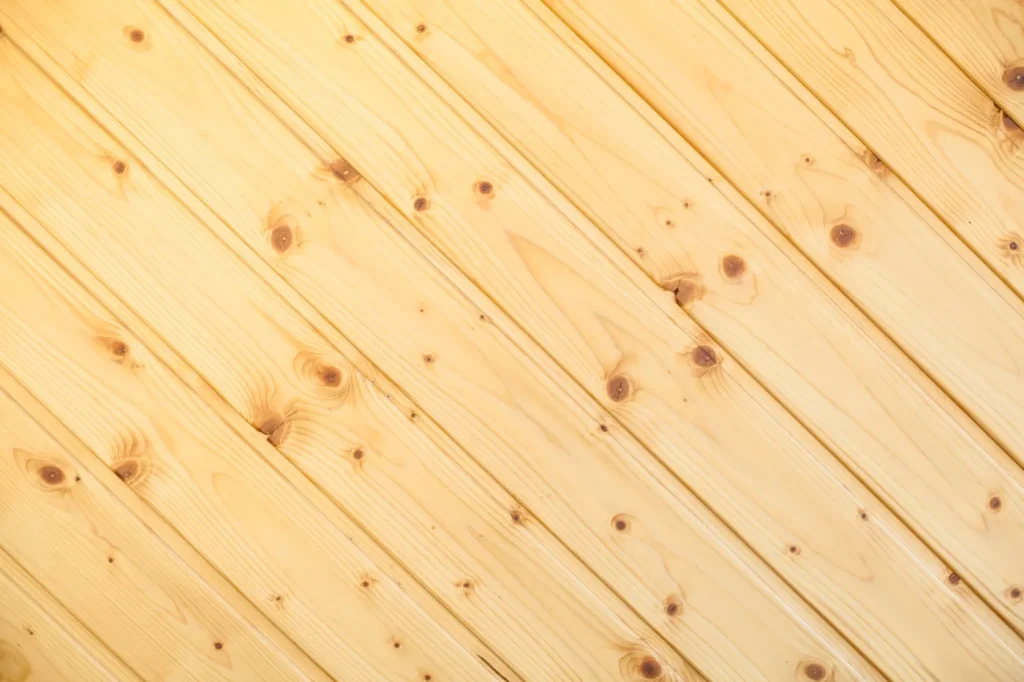
Hemlock serves as a highly popular and practical alternative to cedar. Builders frequently choose it for indoor saunas and infrared applications where moisture resistance is less critical.
Clear Canadian Hemlock
Clear Canadian Hemlock features a light, uniform tone that brightens small interior spaces and complements modern home gym and bathroom aesthetics. It is an excellent, budget-friendly softwood option that delivers quality without compromise.
Clear Hemlock
Like clear cedar, clear hemlock is entirely free of knots. This produces a smooth, contemporary finish that pairs naturally with minimalist interior design and modern wellness spaces.
Western Hemlock
Western Hemlock grows along the west coast of North America and boasts a strong, even grain that resists scraping and denting better than many comparable softwoods — making it a durable choice for high-traffic sauna environments.
Canadian Hemlock
Canadian Hemlock is prized for its dimensional stability. Once properly kiln-dried, it resists shrinking and swelling, making it an ideal choice for controlled indoor sauna environments.
Hemlock: Hypoallergenic Properties
One of Hemlock’s most significant advantages is its complete lack of natural scent. It is entirely hypoallergenic. If you have sensitivities to strong aromas, Hemlock provides a neutral, clean breathing environment that supports your wellness without irritation.
Aspen
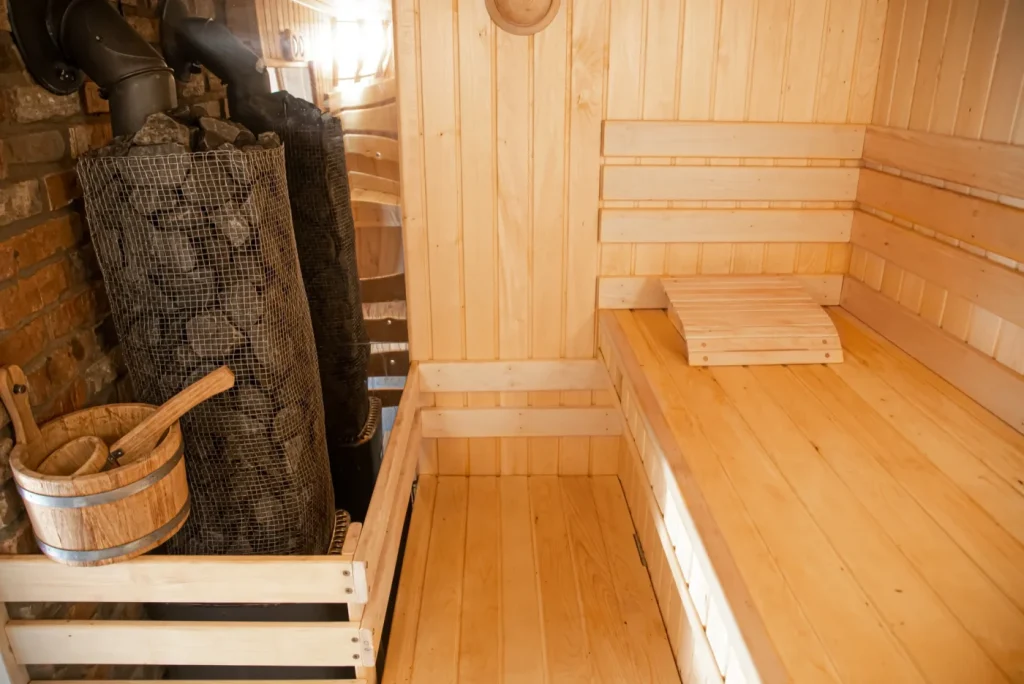
Aspen offers a beautifully light-colored wood widely used in contemporary wellness spaces, particularly throughout Europe. Its clean, pale appearance complements modern sauna designs and open, minimalist interiors.
Clear Aspen
Clear Aspen provides a seamless, pale surface with an exceptionally smooth texture that stays cool to the touch — making it especially comfortable for long sauna sessions.
Thermally Modified Aspen
To significantly improve its durability, builders use Thermally Modified Aspen. A specialized heat-treatment process darkens the wood to a rich, warm brown tone while dramatically increasing its resistance to moisture and decay — combining natural beauty with enhanced long-term performance.
Aspen: Low Resin Content
Although technically a hardwood, Aspen behaves much like a softwood in a sauna environment. It is completely free of resin and sap, meaning it will never weep sticky residue when exposed to extreme heat. This makes it a clean, low-maintenance option for health-focused sauna users.
Nordic Spruce
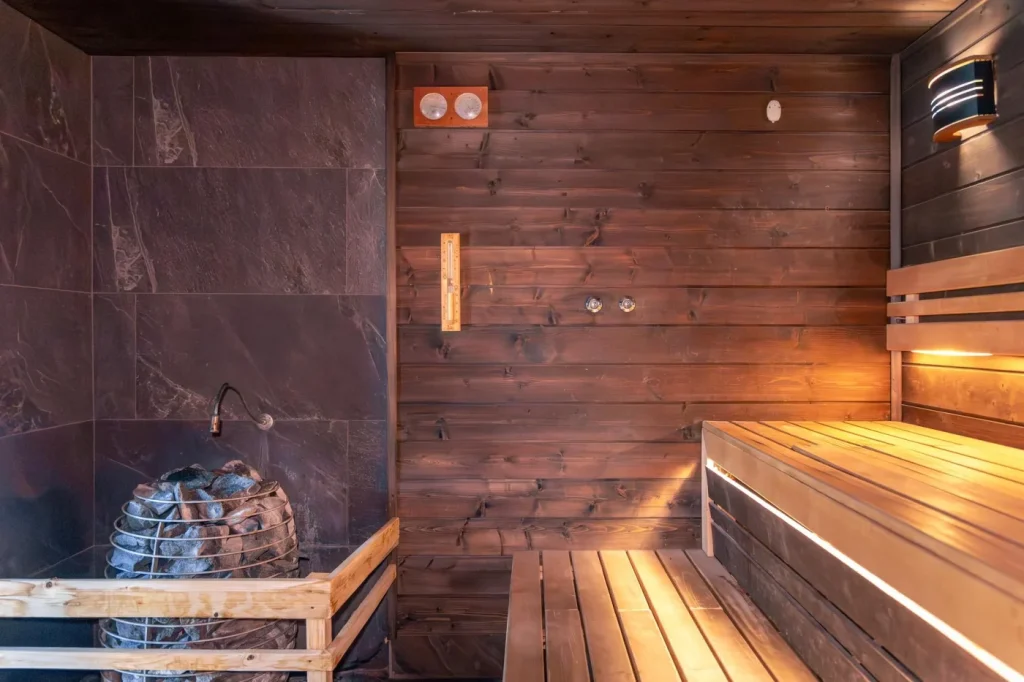
Nordic Spruce represents the traditional choice used in Finland and throughout Scandinavia for centuries — a wood deeply embedded in authentic sauna culture.
Spruce / Pine
Nordic Spruce and Pine grow slowly in cold northern climates. This slow growth produces a dense, strong wood with small, tight knots and a pleasing natural forest scent that connects you to the original sauna experience.
Knotty Eastern White Cedar
While exploring rustic options like Spruce, Knotty Eastern White Cedar deserves mention. It offers a similar knotted, organic appearance while providing higher natural decay resistance than standard pine — making it a durable choice for humid or outdoor sauna environments.
Alaskan Yellow Cedar
Alaskan Yellow Cedar is exceptionally dense and highly resistant to weather. It features a striking pale yellow tone that ages gracefully to a silver patina when left exposed outdoors — an excellent option for outdoor sauna builds in demanding climates like Minnesota.
Clear Cedar
Whether you choose Western Red, Eastern White, or Alaskan Yellow, selecting the “clear” grade consistently delivers the smoothest, most luxurious finish available — ideal for premium bench and backrest surfaces.
Comparing Sauna Wood Options
Choosing between these materials requires balancing your budget, your aesthetic vision, and the specific environment you are building for.
What Are the Best and Worst Woods for Saunas?
The best sauna woods are untreated softwoods: Western Red Cedar, Thermally Modified Aspen, and Canadian Hemlock lead the field. The worst options are dense hardwoods like oak, which become dangerously hot, or any treated lumber that releases toxic chemicals under heat. Never compromise on this distinction — your health and safety depend on it.
The Woods We Use in High-Performance Saunas
Wellness-focused sauna brands prioritize hypoallergenic woods like Poplar or Hemlock for medical-grade infrared cabins, addressing specific health sensitivities while maintaining high structural quality. At Bear Naked Saunas, we offer expert guidance on selecting the right wood for every wellness goal and build type.
Understanding Infrared vs. Traditional Wood Saunas
Traditional steam saunas require highly rot-resistant woods like Cedar because of constant moisture exposure. Infrared saunas operate in a completely dry environment, meaning less weather-resistant species like Hemlock can be used safely without moisture damage risk. Matching your wood species to your heating system is a critical step in the planning process.
Popular Sauna Woods for American Homes
American homeowners overwhelmingly favor Western Red Cedar for outdoor sauna builds due to its superior weather resistance and natural beauty. For indoor units, clear Hemlock and Aspen dominate the market, prized for their bright appearance and cost-effectiveness in controlled environments.
How to Choose the Best Wood for a Sauna
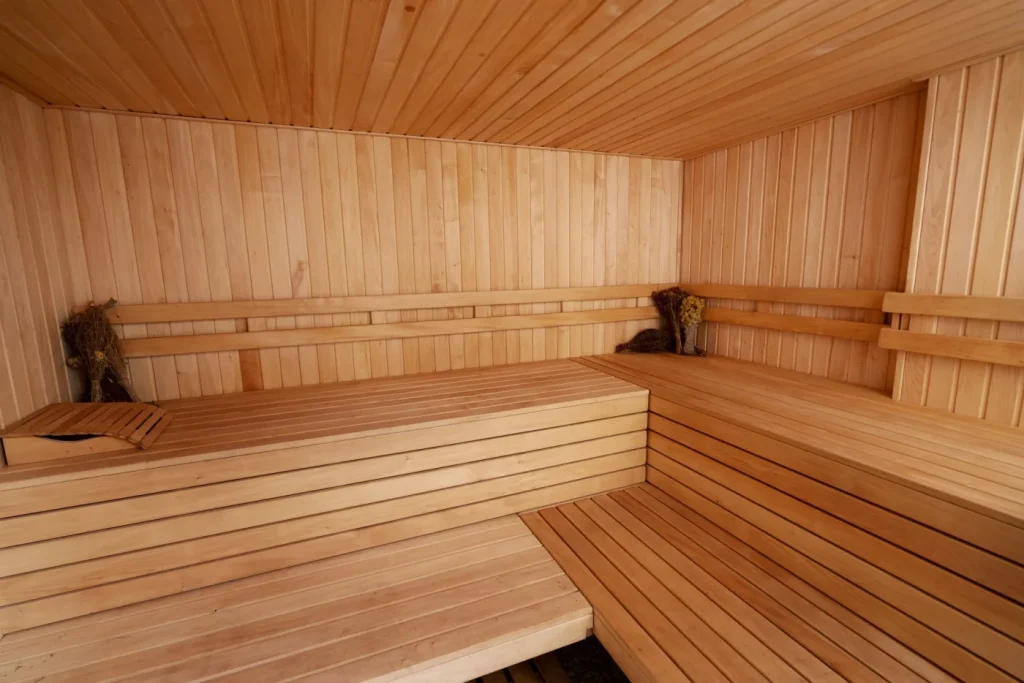
Your final decision should reflect how and where you plan to use your sauna, as well as the climate you live in.
Making Your Wood Selection
If you are building an outdoor cabin in a demanding Minnesota climate, you need maximum weather resistance — Western Red Cedar is the clear choice. If you are installing a dry infrared room in a basement or home gym, your options expand considerably. Bear Naked Saunas provides hands-on consultation to help every client match the ideal wood to their specific vision and environment.
Importance of Wood Selection
Never compromise on wood quality. The right material ensures your heater operates at peak efficiency, your structure remains stable through every Minnesota season, and the air inside your sauna stays pure and health-supporting throughout every session.
Premium Sauna Bench and Backrest Material
Always use clear, knot-free wood for your benches and backrests. Knots can accumulate more heat than the surrounding wood grain and cause discomfort or skin burns when you lean back. Clear-grade lumber ensures every surface you touch remains safe and comfortable, even during the most intense heat sessions.
Key Takeaways – Choosing the Best Wood for Your Sauna
- Choose Western Red Cedar for the ultimate traditional sauna experience, superior durability, and natural aromatherapy.
- Choose Hemlock or Aspen for a scent-free, hypoallergenic environment ideal for health-sensitive users.
- Always prioritize untreated, kiln-dried, sustainably sourced lumber — never treated or composite materials.
- Match your wood species to your sauna type: moisture-resistant cedar for traditional steam, stable hemlock for dry infrared.
- Invest in clear-grade wood for all bench and backrest surfaces for maximum comfort and safety.
Enjoy All the Benefits of an At-Home Cedar Wood Sauna
At Bear Naked Saunas, we believe your wellness journey should be rooted in quality, safety, and authentic Nordic tradition. Regular sauna sessions deliver proven health benefits including improved cardiovascular health, enhanced circulation, deep muscle relaxation, stress relief, better sleep quality, skin rejuvenation, and immune system support. The right wood transforms these benefits into a daily ritual you will look forward to for years.
Trusted Sauna Wood Experts in Hermantown, Minnesota
As a Minnesota-based company, we understand what it means to build for extreme weather. Harsh winters, heavy humidity, and dramatic seasonal temperature swings demand materials that perform without compromise. We proudly champion Western Red Cedar for our handcrafted builds precisely because it thrives in the conditions our customers live with every day.
Why Choose Bear Naked Saunas for Your Sauna Wood Needs?
Our commitment to high-grade, sustainably sourced lumber and traditional Nordic craftsmanship sets us apart. Every sauna we build — from our Papa Bear, Mama Bear, and Baby Bear models to fully custom designs — reflects the same dedication to premium materials, honest construction, and lasting quality. We serve homeowners throughout the Hermantown area and commercial clients including gyms, spas, and wellness facilities across the upper Midwest.
Visit Our Hermantown, MN Sauna Showroom
Seeing and touching the wood in person makes all the difference. We invite you to visit our showroom at 4881 Miller Trunk Hwy, Hermantown, MN 55811 and explore the rich grain, warm tones, and natural fragrance of our premium cedar models firsthand. Our team is ready to walk you through every option and help you design your perfect wellness retreat.
FAQ – Common Questions About Sauna Wood
1. Can I use regular pine from a hardware store?
No. Standard hardware store pine contains high levels of sap that will weep and potentially burn you when exposed to sauna heat. Always use kiln-dried, sauna-grade lumber sourced from a trusted supplier.
2. Does cedar require maintenance?
Western Red Cedar naturally resists rot and decay, but we recommend washing the interior periodically with mild soap and water to keep the wood clean and fresh. Never apply chemical sealants, varnishes, or stains to interior sauna surfaces — these release harmful toxins under heat.
Start Your Sauna Journey
Transform your health, elevate your daily routine, and create your own personal wellness sanctuary. Experience the deep relaxation, muscle recovery, and mental clarity that come from authentic heat therapy — built to last in the Minnesota climate.
Contact Your Sauna Installer
Partner with professionals who understand proper ventilation, safe heating system integration, and premium wood handling. Our expert team at Bear Naked Saunas manages everything from initial consultation and custom design to delivery, assembly, electrical hookup, and final setup — so your sauna is safe, beautiful, and ready to use from day one.
Bear Naked Saunas – Sustainably Sourced Cedar Wood Craftsmanship in Minnesota
We dedicate ourselves to building your perfect escape using the finest sustainably sourced Western Red Cedar. Our craftsmen blend traditional Nordic principles with modern construction techniques to create saunas that perform beautifully, last for decades, and elevate every aspect of your well-being.
Contact Bear Naked Saunas today at bearnakedsaunas.com to explore our models, schedule a showroom visit, or begin designing your ultimate custom cedar sanctuary.