Sauna vs Steam Shower: Which One Is Right for You?
If you want to enhance your wellness routine or create a relaxation oasis at home, you’ve probably encountered the age-old debate of sauna versus steam shower. Both offer undeniable health benefits, but they differ in experience, construction, and suitability based on personal preferences and needs.
This comprehensive comparison will clarify what sets these two heat therapies apart, the unique advantages they bring, and which one might be the perfect fit for you.
What is a Sauna vs a Steam Shower
Before we unpack the key differences, it’s essential to understand what saunas and steam showers are and how they work.
Definition of a Sauna
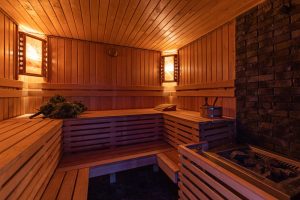
A sauna, or a Finnish staple, refers to a room heated with a dry heat source, typically reaching temperatures of 150–190°F. Saunas are lined with wood and powered using electric heaters or traditional wood-burning stoves. The dry atmosphere encourages sweating, which is ideal for detoxification and pore cleansing.
Saunas are all about dry, penetrating heat for those who love an intense warmth that elevates the core body temperature.
- Best for: Relieving muscle tension, improving cardiovascular function, and deep calmness.
Definition of a Steam Shower
A steam shower, unlike a sauna, generates moist heat with 100% humidity. It operates at a milder temperature range, usually 110–120°F. Steam devices produce clouds of vapor that fill the room, creating a soothing, warm environment.
Steam showers are excellent for calmness while benefiting your respiratory system, making them ideal for individuals with sinus or asthma issues.
- Best for: Breathing easier, clearing channels, and hydrating skin.
Steam Shower vs Sauna Key Differences
Heat and Humidity Levels
The main distinction lies in dry heat (sauna) versus steamy heat (steam shower).
- Saunas deliver intense, dry heat, which makes users sweat profusely, aiding in toxin release and overall detoxification. However, the dryness may not appeal to everyone, particularly those prone to dizziness.
- Steam showers’ high humidity creates a soothing, gentler environment, offering hydration and ideal conditions for respiratory relief.
If you live with asthma or sinus issues, a steam shower’s humid conditions might be better suited to your needs than a dry sauna.
Construction and Heat Generation
Saunas feature wooden interiors and rely on electric or wood-fired heaters. The best sauna models incorporate sustainable materials and exceptional craftsmanship to ensure longevity and authentic comfort.
A steamy heat shower, meanwhile, has non-porous surfaces like tile and glass to contain moisture. These require a steam generator, which converts water into vapor.
Choose the option that fits your space and heating preferences, whether it be eco-friendly wood-fired stoves or compact steam devices.
Usage Environment and Personal Preference
Some factors depend on your lifestyle:
- Want a fast setup? A moist heat shower heats in minutes, while a sauna might take longer to reach optimal temperatures.
- Limited space? A steamy heat to shower integrates seamlessly into bathroom setups, while saunas often require dedicated areas.
- Crave tradition? The rustic appeal of a sauna, with its calming wooden interiors, stands out.
Which Has More Health Benefits, Sauna or Steam Showers
Both heat therapies offer unique advantages. Here’s a breakdown of their wellness perks to help match each to your goals.
Cardiovascular Health and Circulation
Saunas often improve circulation, reduce blood pressure, and enhance cardiovascular health due to the heat’s impact on heart rate and blood vessels.
Muscle Recovery and Pain Relief
Both help alleviate sore muscles after workouts. However, saunas are better for deeper muscle relaxation, while humid steam sprinkles soothe surface tension.
Skin Health and Detox
Sweating in a sauna cleanses pores and promotes detoxification. On the other hand, the moisture in steam showers hydrates skin, making it feel rejuvenated and refreshed.
Respiratory Wellness
Steam sprinkling reigns supreme for respiratory health. The humid environment helps clear blocked sinuses and ease asthma symptoms.
Mental calmness and Stress Relief
Both environments reduce stress hormones, but saunas, with their meditative atmosphere and warmth, often provide deeper stress relief for many.
How Long Should You Stay in a Sauna or Steam Room
Moderation is key to avoiding overheating or dehydration. Here’s a quick guide:
- Sauna sessions: Spend 5–15 minutes at a time.
- Steam shower sessions: Stick to 10–20 minutes due to the high humidity.
Hydration before and after either experience is essential. Listen to your body; step out if you feel dizzy or overheated.
Sauna vs Steam Shower: Which One Should You Choose
Ultimately, deciding between a sauna vs a steam shower comes down to your wellness goals, available space, and personal preferences.
Considerations to Keep in Mind
- Choose a sauna if you’re looking for intense heat therapy, detoxification, and traditional craftsmanship.
- Opt for a steam shower if you prioritize respiratory benefits, hydration, or seamless integration into your bathroom.
Space, Maintenance, and Cost
- Space: Saunas typically need dedicated areas, while steam showers can be retrofitted into existing bathrooms.
- Maintenance: Saunas require periodic wood upkeep, while steam showers need proper cleaning to prevent mold and residue.
- Cost: Saunas may involve a higher upfront investment, but both options offer entry-level to high-end price points.
Begin Your Wellness Journey
Whether you lean toward the rustic warmth of a sauna or the soothing mist of a steam shower, both deliver remarkable wellness benefits. To make the right choice, consult experienced sauna specialists who can guide you through customization and installation options. Discover how you can bring the ultimate relaxation experience into your home today.
Get expert advice on designing your perfect sauna or steam shower now.